For everyone who loves Chinese swords but has no one to learn from
From First Cut to Real Applications With the Dadao, China's Last Battlefield Saber
Most people who love Chinese swords spend years watching forms and never find out what the movements are for. This course takes you the whole way: the complete 1933 Practical Dadao form, the fighting purpose of every movement, and a structured progression into controlled free swordplay.
30 on-demand lessons. Lifetime access. No local teacher required.
A saber built for one job
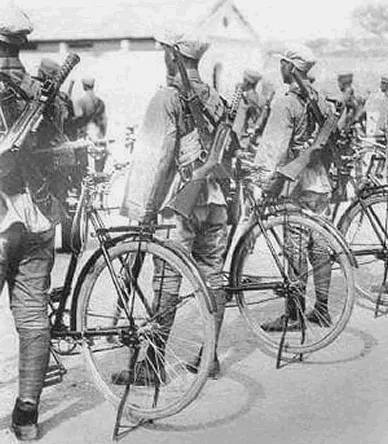
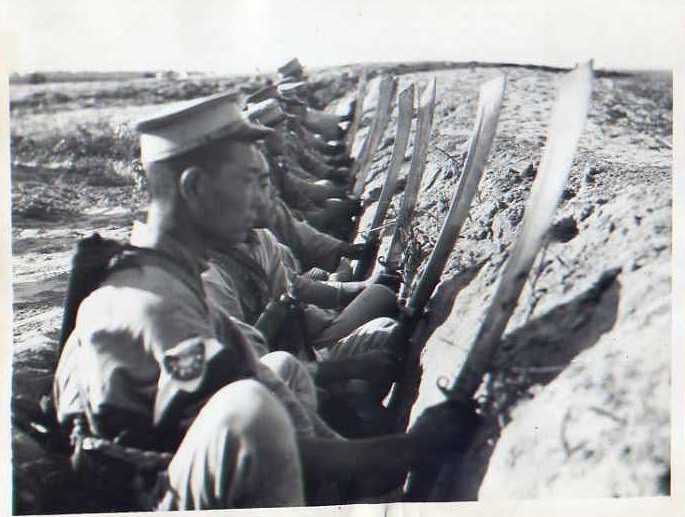
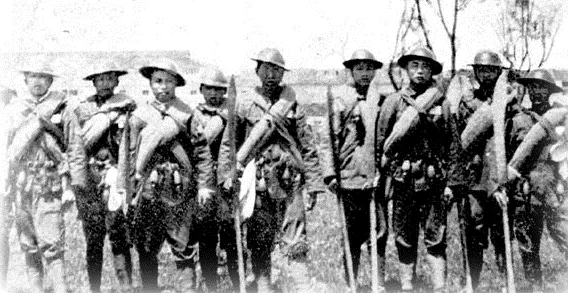
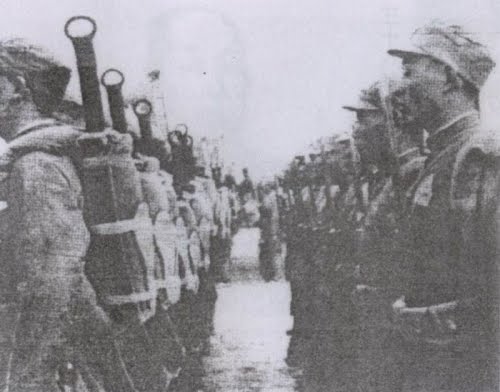
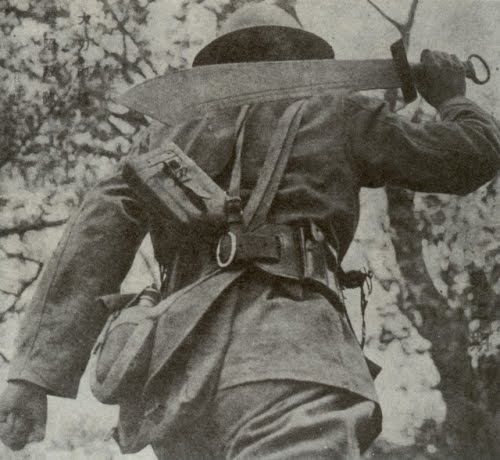
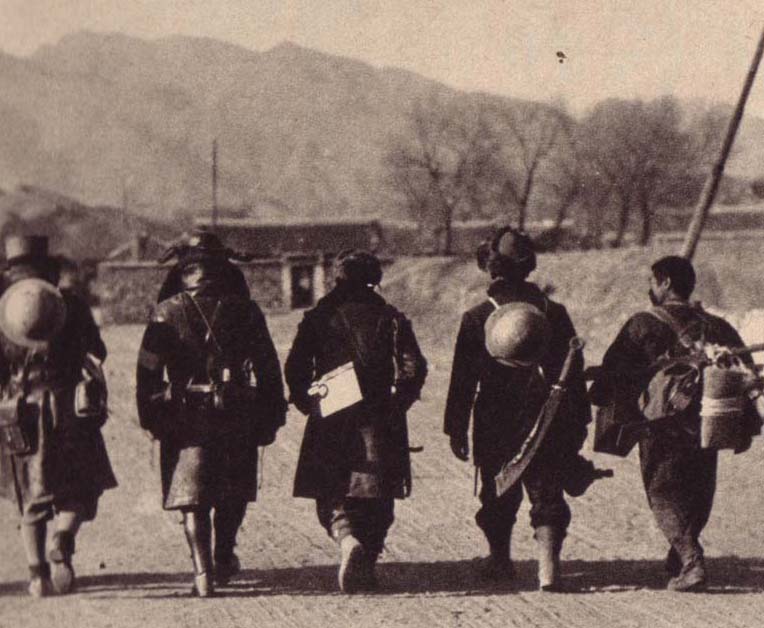
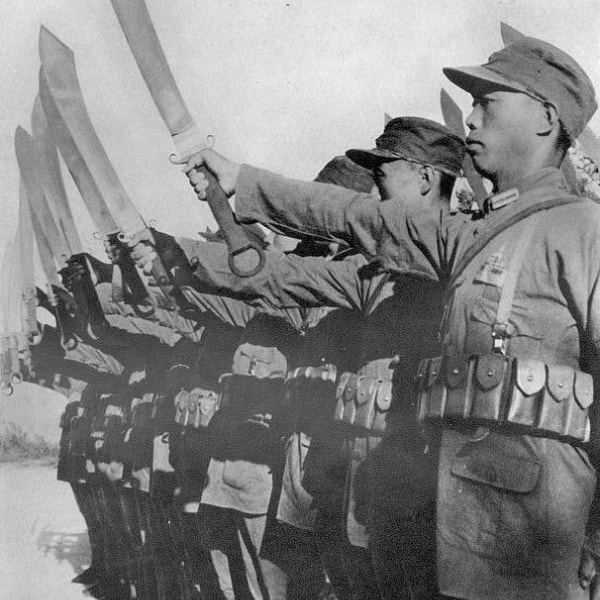
In the early years of the Chinese Republic, rifles held five rounds and were slow to reload. Once those rounds were spent, the fight came down to the bayonet, and every army of the era drilled bayonet fighting relentlessly. China's answer reached back into a long tradition of two-handed saber work: the dadao.
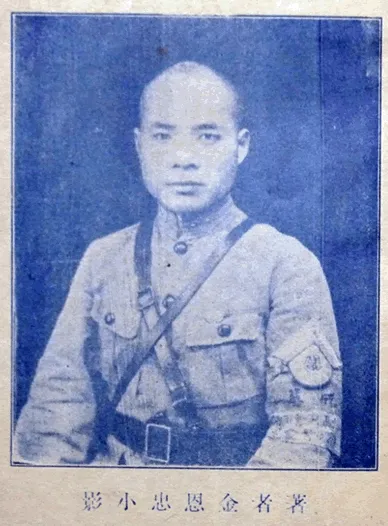
In 1933, Jin Enzhong compiled the Practical Dadao (實用大刀術) to train soldiers fast. No flourishes, no performance movements. Every posture in the form exists because it wins an exchange. It is one of the last sword systems anywhere in the world designed for, and used in, actual battle.
Why you've never been taught it properly
Here is the frustrating part. A system built entirely around fighting is almost always taught as choreography. You can find dadao forms on video, and you can copy them well enough that the movements look right. But somewhere in the back of your mind sits the question every honest practitioner eventually faces: if this ever mattered, would any of it actually work?
That question doesn't have to stay unanswered. The soldiers who trained this system in 1933 went from first cut to fighting readiness in months, because the form was never the point. It was the container for the fighting. This course teaches it the same way: the form is where you start, not where you finish.
WHAT'S INSIDE
From form, to function, to fighting. In five modules.
Module 1 — The Form (7 lessons)
Learn the complete 1933 Practical Dadao form sequence by sequence, from the opening Pi, Gua and Zhan through to Ci and Chan. By the end of this module you can run the entire form cleanly from start to finish.
Module 2 — Basic Cuts & Drills (4 lessons)
Isolate every cut in the system and build it into repeatable solo drills, including the stepping patterns and the stealing step entry that power the whole method. Your cuts stop being shapes in the air and become strikes that land on line and recover fast enough to cut again.
Module 3 — The Applications vs Bayonet (7 lessons)
The module most courses never give you. Movement by movement, learn what every part of the form is actually for: the entries, deflections and finishing cuts behind each posture, taught against the weapon the system was built to beat, a bayonet at rifle length. Learning to close on a longer, thrusting weapon sharpens exactly the skills that win modern exchanges, and this is where the question "would it work?" starts getting answered.
Module 4 — Form Review & Refinement (4 lessons)
Run the form again with new eyes. Now that you know the function of every movement, refine the mechanics section by section so the form and the fighting become the same thing.
Module 5 — Free Swordplay (8 lessons)
The bridge from drills to fencing. Partnered exchanges built from the form's core actions, finishing with the five types of neutralisations, so you can step into controlled free swordplay knowing exactly what to do when someone cuts back.
Course Completion Credential
Finish the full progression and earn the Academy's Practical Dadao completion credential.
You also join the Academy community, where students around the world share training footage, find partners and ask questions.
WHO IT'S FOR
You're starting from zero.
You've wanted to train a Chinese sword for years, but there's no teacher within a hundred miles and you're not going to learn it from disconnected YouTube clips. The course starts from your very first cut and hands you the entire path.You come from tai chi or kung fu.
You can perform sword forms, maybe beautifully, but nobody has ever shown you what a single movement is for, and you've quietly wondered whether your years of practice would survive contact. Module 3 answers that question movement by movement.You fence HEMA or fight full contact.
You've got the sparring instincts but your dadao knowledge is guesswork, and you'd rather run a real battlefield system than an improvised one. This gives you a documented method that plugs straight into your existing sparring and tournament formats.You train alone.
Every lesson is designed so the solo work stands on its own. Partner material is there for when you have someone to train with, and the Academy community can help you find them, so training alone stops meaning training in the dark.
Learn from a lineage, not a hobbyist
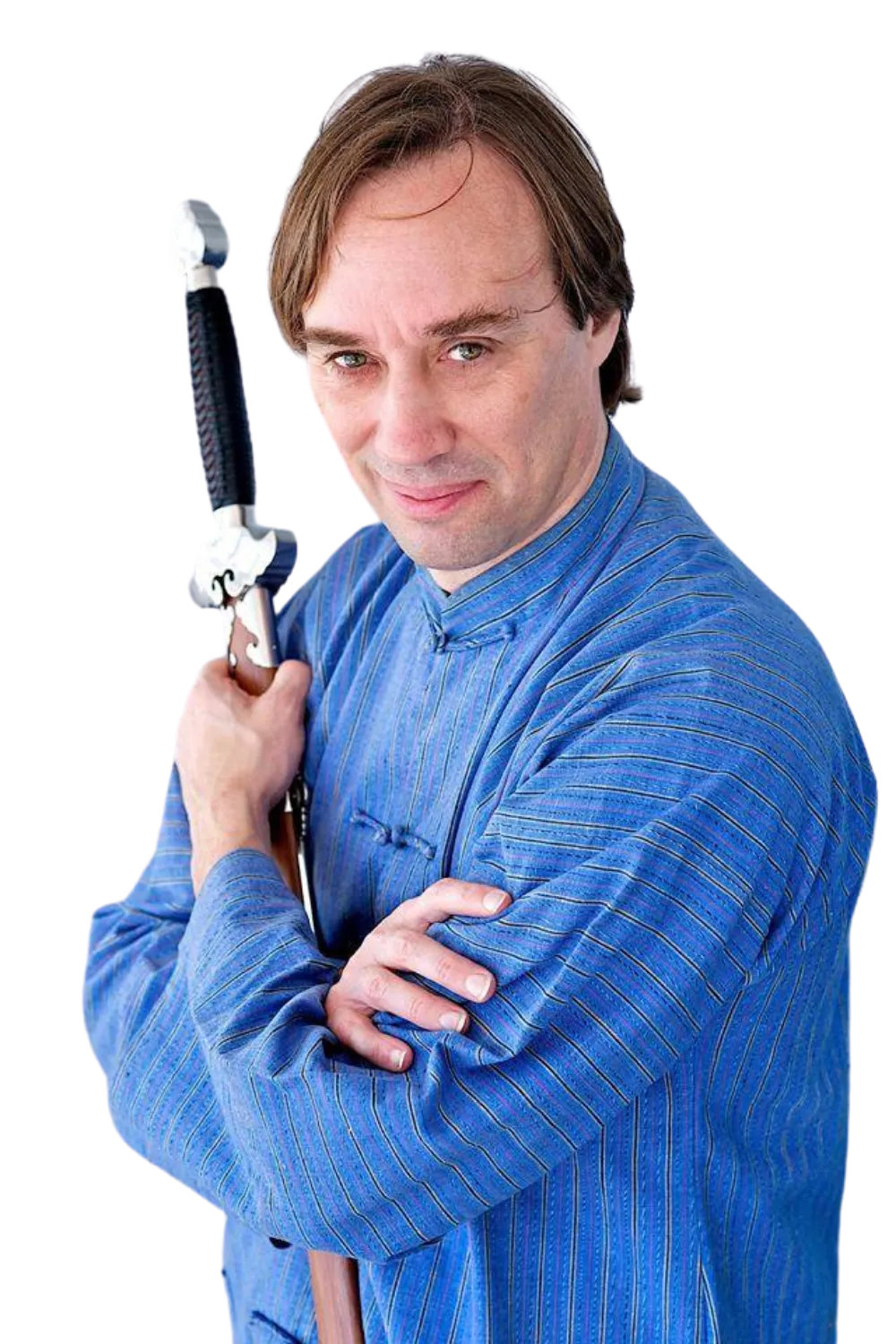
Your instructor is Scott M. Rodell, who has spent more than thirty years researching, teaching and pressure-testing Chinese swordsmanship: training students across six continents, authoring standard works in the field, and testing historical methods where they count, in full-contact free swordplay and against sharp-blade cutting.
When Scott Rodell teaches an application, it's not a theory about what a movement might mean. It has been tried against resisting opponents, refined, and taught to thousands of students.
Frequently Asked Questions
Is this beginner friendly?
Yes. The course starts with the form and basic cuts from zero and builds step by step. If you have prior sword or HEMA experience you'll simply progress faster.
Do I need a partner?
No. The form, cuts and solo drills give you a great deal to work on alone. The applications and free swordplay modules are there for when you have a partner, and the Academy community can help you find training partners near you.
What equipment do I need?
To begin: a training dadao or a two-handed dao equivalent. A wooden or synthetic trainer is fine to start. A bokken is a great starting point. For partner work you'll add a fencing mask, gloves and forearm protection, and a jacket. Recommended options are listed inside the course.
Can I start with a regular dao?
You can begin the form and cuts with what you have, but the dadao's weight and balance are part of the system, so plan to train with a proper two-handed trainer as you progress.
How soon can I spar?
Work through the checkpoints in Modules 1 to 4 first. Module 5 then takes you into controlled free swordplay through graded partner exchanges. Start light, build pace.
What exactly do I get?
Lifetime access to all 30 lessons across five modules in your Academy portal, the completion credential, and membership of the Academy community. One payment, no subscription.
If I join a membership later, do I keep this course?
Yes. Standalone courses are yours for life, whatever you do afterwards.
What's the refund policy?
A 30-day money-back guarantee. If the course isn't for you, email us within 30 days for a full refund.
The Form Is Where You Start. Not Where You Finish.
A year from now you could still be watching dadao forms on video and wondering. Or you could be running the complete 1933 system, cut by cut and exchange by exchange, all the way into free swordplay.


Link
CONTACT US
(703) 846-8222
Academy of Chinese Swordsmanship, 3543 Marvin Street
Annandale, VA 22003
Copyright 2026. The Academy of Chinese Swordsmanship. All Rights Reserved.